Dry Fruits
Almonds, Cashews, or Walnuts: How to Choose Correctly
2026-03-27 - 8 min read
By Diet Ethics Editorial Team · Reviewed by Diet Ethics Nutrition Desk · Updated 2026-03-27
Why This Topic Matters
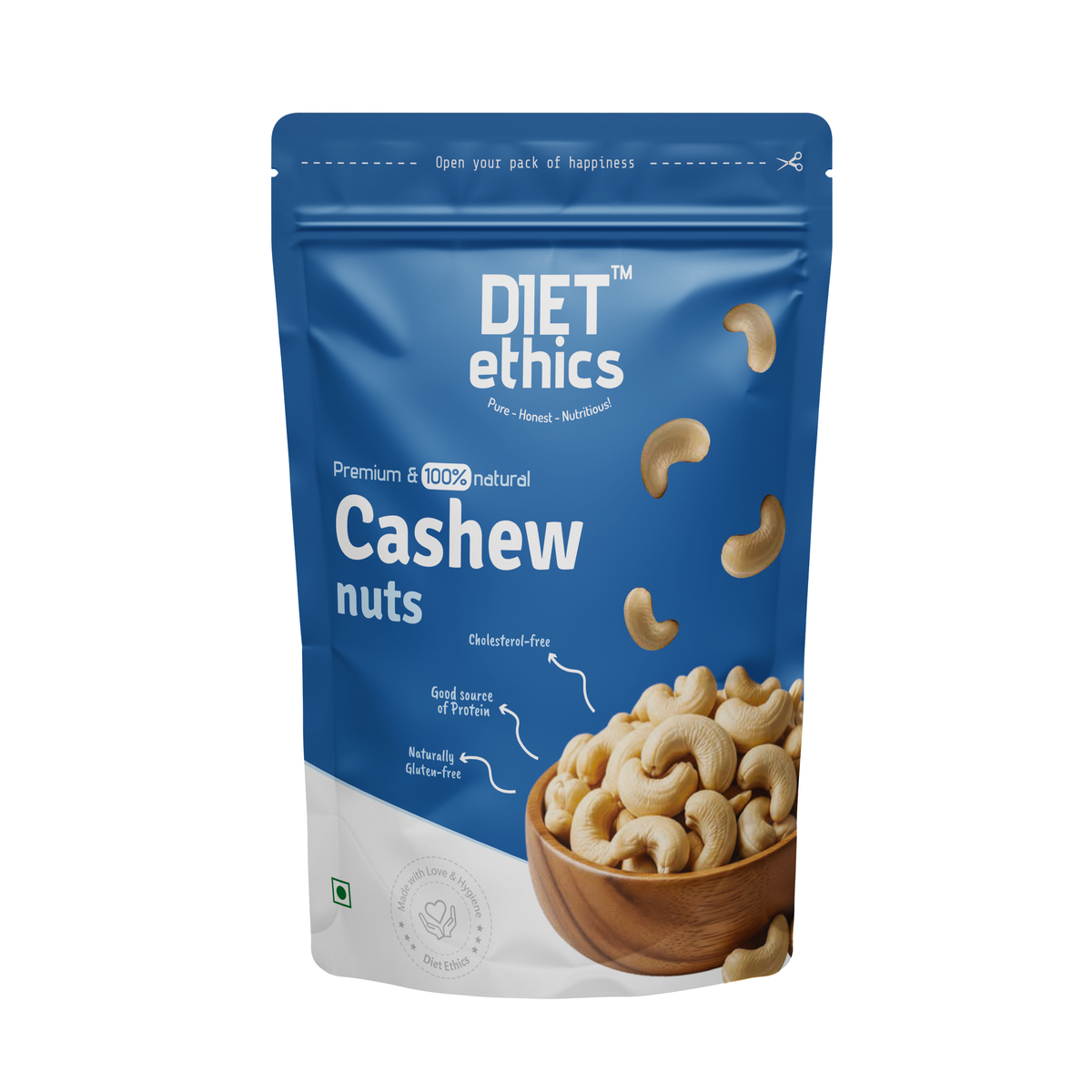
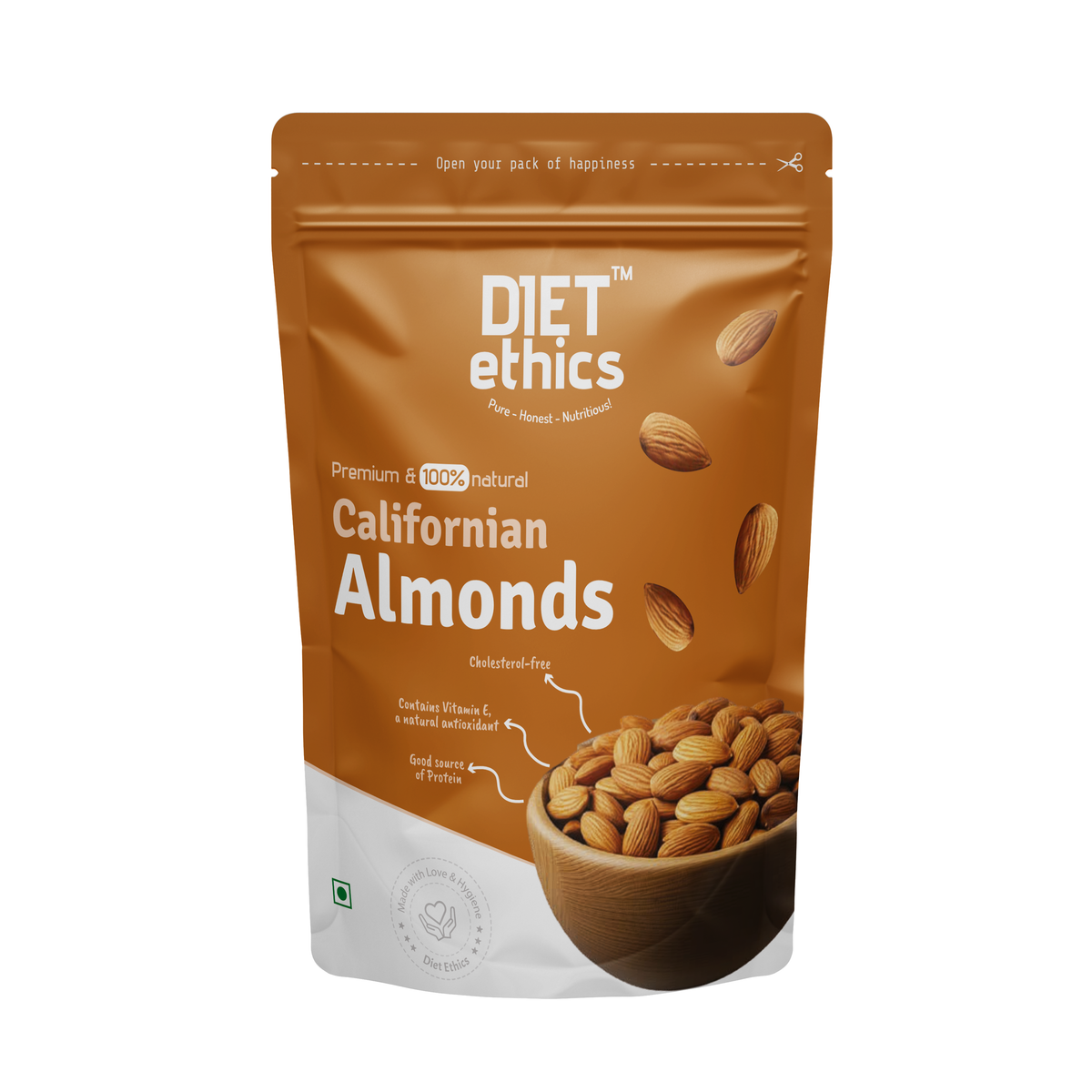
Almonds are commonly preferred for daily snacking and meal add-ons. Cashews are favored for richer taste and recipe flexibility. Walnuts are often selected for omega-3 support and deeper nut flavor.
Most readers are not looking for theory. They want practical decisions they can apply quickly in daily life, gifting plans, or business buying workflows. This guide is structured for action-first reading.
Key Takeaways
Tips
- A balanced mix of products works better than depending on one item every day.
- Pre-planned portions improve adherence and reduce random snacking decisions.
- Storage and serving method influence final quality as much as product selection.
Nutrition and Practical Facts
Facts
- Dry fruits and nuts are compact sources of healthy fats, micronutrients, and satiety support.
- Different products have different strengths: almonds for routine snacking, walnuts for omega-focused use, dates for quick energy.
- Quality consistency and freshness strongly influence taste, repeat usage, and customer satisfaction.
Best Usage Ideas
Your ideal combination depends on preference, use case, and budget. Many people use almonds for daily consistency and add walnuts or cashews in smaller portions.
Tips
- Use with curd, oats, smoothies, and salads for effortless consistency.
- Build small ready-to-carry packs for office or travel use.
- Pair with fresh fruit to improve meal balance and satiety.
Common Mistakes to Avoid
Tips
- Buying only on price and ignoring freshness, source quality, or label clarity.
- Using very large portions assuming more is always better.
- Poor storage after opening packs, especially in humid or warm conditions.
- Skipping consistency and expecting outcomes from occasional usage only.
Pro Tips for Better Results
Tips
- Start with a 2-week usage plan and keep the routine realistic.
- Track what combinations are easiest to repeat and build around them.
- Use airtight containers and opening-date labels for better freshness control.
- Choose formats that match your lifestyle, not idealized plans.
Final Word
Instead of searching for one perfect nut, build a practical rotation that you can sustain week after week.
The best strategy is practical consistency with quality-first choices. Whether your goal is better daily nutrition, stronger gifting impact, or better business buying decisions, small disciplined actions produce better long-term outcomes.