Storage Tips
How to Store Dry Fruits for Better Freshness
2026-03-23 - 8 min read
By Diet Ethics Editorial Team · Reviewed by Diet Ethics Nutrition Desk · Updated 2026-03-23
Why This Topic Matters
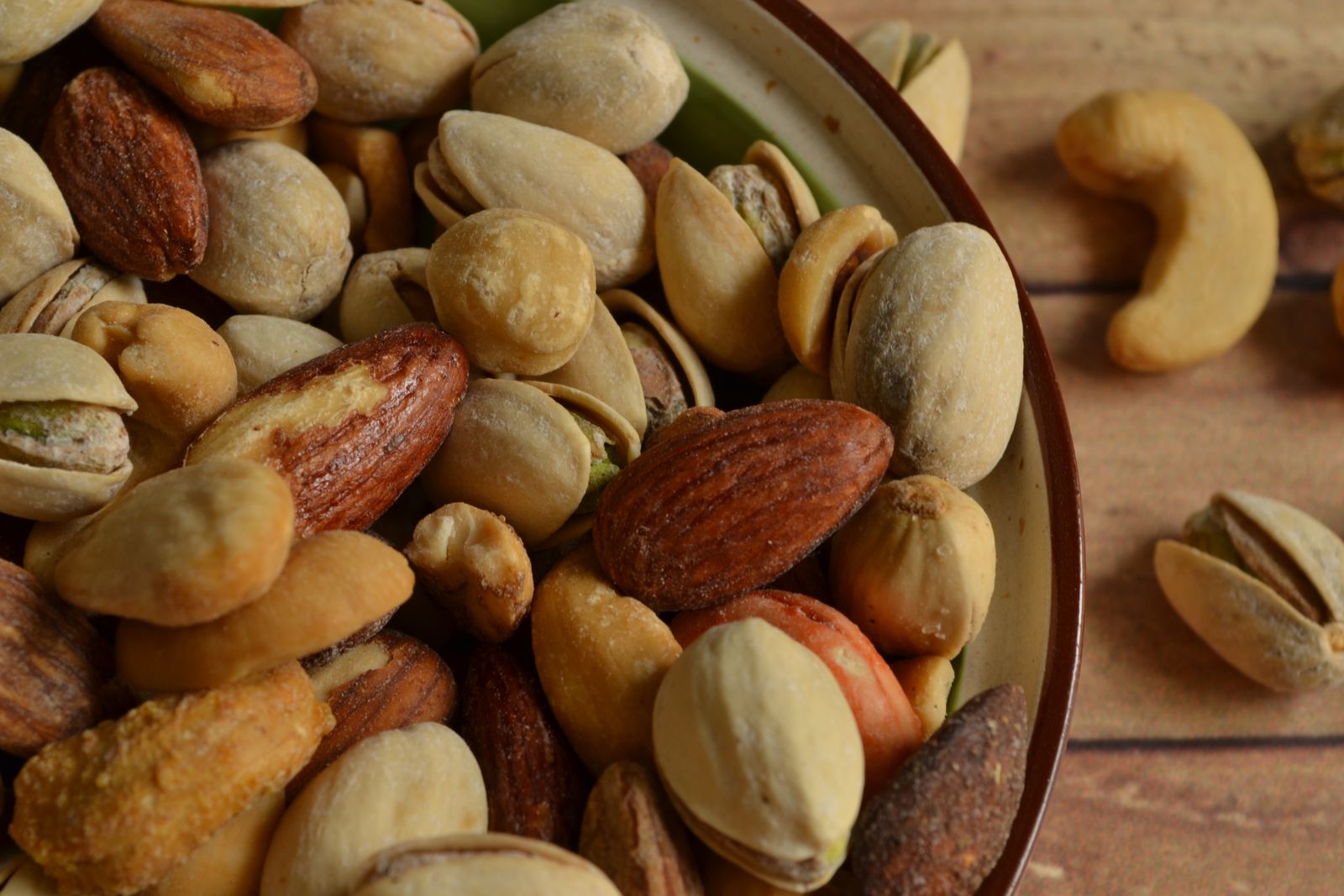
Dry fruits should be stored in cool, dry conditions away from moisture and direct sunlight. Exposure to heat and humidity can affect texture and taste.
Most readers are not looking for theory. They want practical decisions they can apply quickly in daily life, gifting plans, or business buying workflows. This guide is structured for action-first reading.
Key Takeaways
Tips
- Seeds work best when used in small, consistent portions instead of occasional large servings.
- Pre-planned portions improve adherence and reduce random snacking decisions.
- Storage and serving method influence final quality as much as product selection.
Nutrition and Practical Facts
Facts
- Seeds are nutrient-dense and generally rich in fiber, healthy fats, and important minerals.
- Chia and flax are often used for daily meal upgrades because they are easy to integrate.
- Portion awareness matters because nutrient density also means higher calorie density per spoon.
Best Usage Ideas
Use airtight containers after opening packs. For hot climates, refrigeration can support shelf-life for sensitive items like walnuts and certain seeds.
Tips
- Use with curd, oats, smoothies, and salads for effortless consistency.
- Build small ready-to-carry packs for office or travel use.
- Pair with fresh fruit to improve meal balance and satiety.
Common Mistakes to Avoid
Tips
- Buying only on price and ignoring freshness, source quality, or label clarity.
- Using very large portions assuming more is always better.
- Poor storage after opening packs, especially in humid or warm conditions.
- Skipping consistency and expecting outcomes from occasional usage only.
Pro Tips for Better Results
Tips
- Start with a 2-week usage plan and keep the routine realistic.
- Track what combinations are easiest to repeat and build around them.
- Use airtight containers and opening-date labels for better freshness control.
- Choose formats that match your lifestyle, not idealized plans.
Final Word
Avoid mixing old and new batches in the same jar. Label containers with opening dates and consume in rotation for better quality control at home.
The best strategy is practical consistency with quality-first choices. Whether your goal is better daily nutrition, stronger gifting impact, or better business buying decisions, small disciplined actions produce better long-term outcomes.